
See Clearly: Nutrition for Your Eyes
Understanding how proper nutrition protects and enhances your vision. Discover the science-backed foods and nutrients that support optimal eye health.
The information on this site is for educational purposes only and does not constitute medical advice. Always consult a qualified healthcare professional before making health decisions.
Eye Health Impact: Key Nutrients at a Glance
Optimal Visual Clarity
Achieved through consistent nutrient intake supporting lens and retina function.
Years of Protection
Early nutrition habits help maintain vision health throughout a lifetime.
Antioxidant Power
Key nutrients provide powerful protection against oxidative stress in the eyes.
Natural Sources
All recommended nutrients come from whole foods, not synthetic supplements.
The Lutein & Zeaxanthin Power Duo

Why These Carotenoids Matter
Lutein and zeaxanthin are two carotenoids that concentrate in the macula—the central part of your retina responsible for sharp, detailed vision. These pigments filter harmful blue light and provide powerful antioxidant protection, helping reduce oxidative stress that accumulates over decades.
Research consistently shows that individuals consuming adequate lutein and zeaxanthin maintain better color perception, contrast sensitivity, and long-term visual function compared to those with lower intakes. These nutrients work synergistically to support the structural integrity of retinal cells.
Macular Pigment Protection
Builds optical density in your macula, shielding photoreceptors from light damage.
Blue Light Filtering
Naturally reduces penetration of high-energy blue wavelengths that can stress the retina.
Antioxidant Defense
Neutralizes free radicals generated by light exposure and normal metabolism.
Essential Nutrients for Vision Health
Vitamin A & Beta-Carotene
Essential for the production of rhodopsin, a pigment in the retina that enables vision in low light. Vitamin A supports the structure and function of the cornea, which is the transparent front layer of your eye.
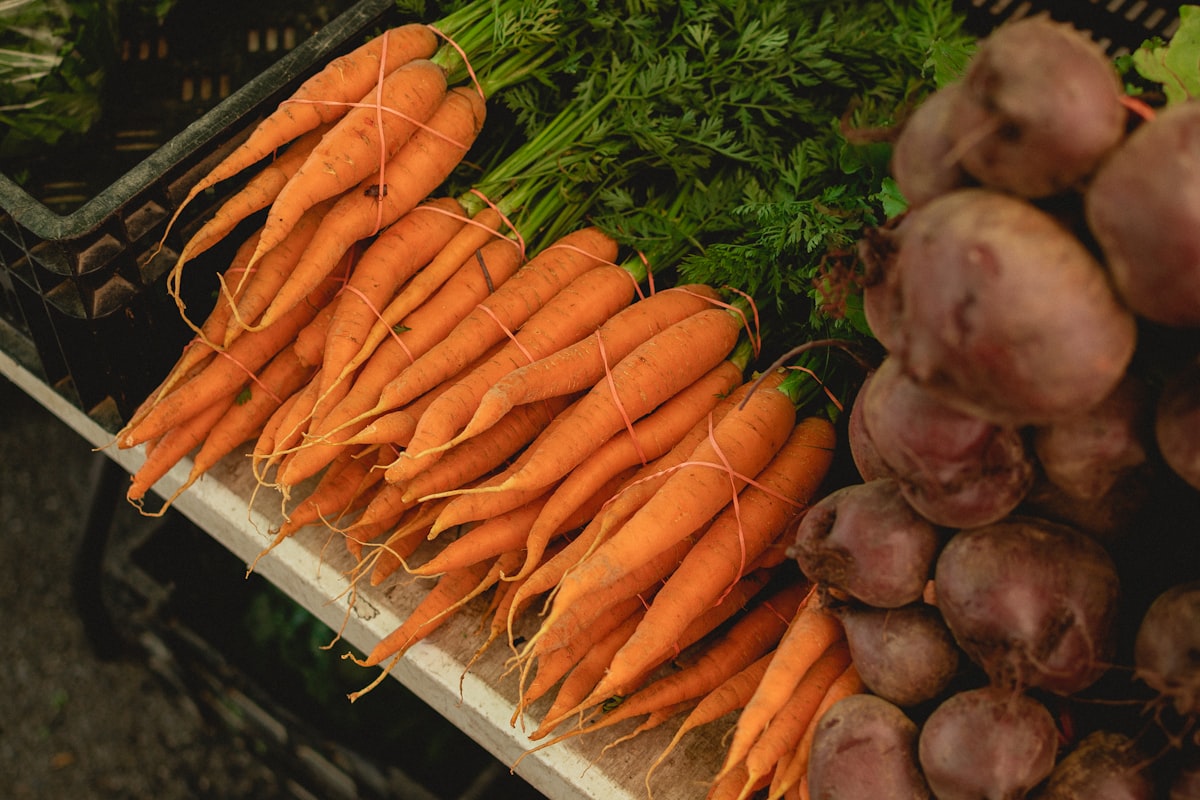
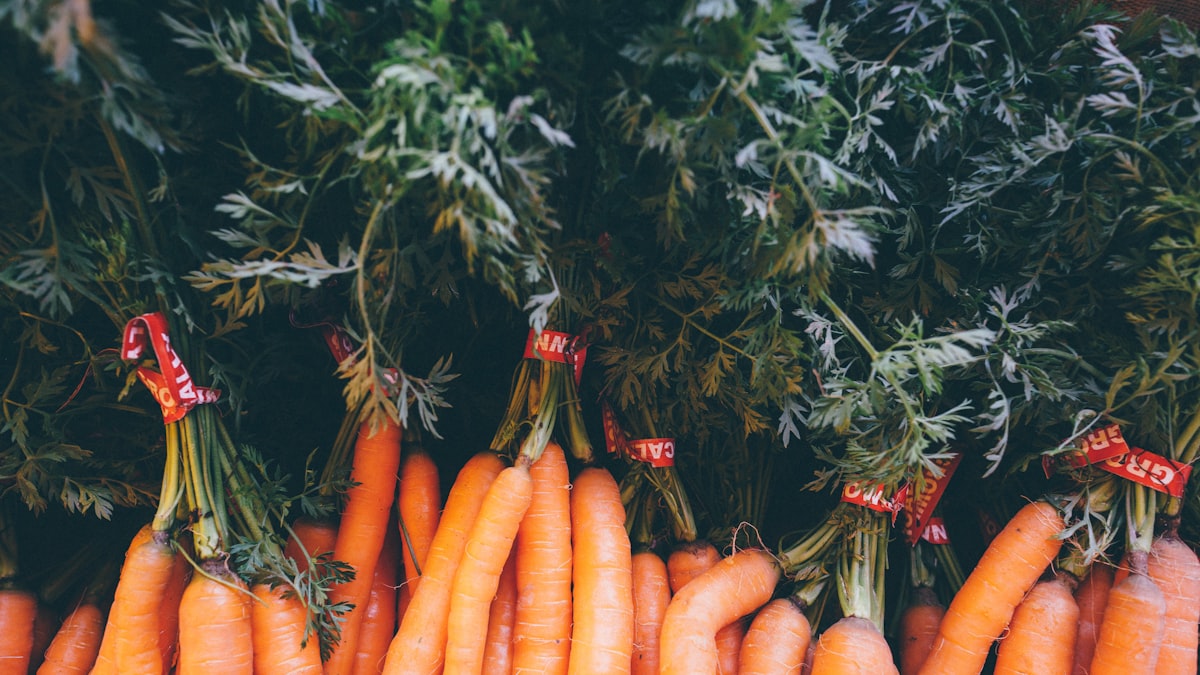
Best sources: sweet potatoes, carrots, spinach, kale, butternut squash.
Omega-3 Fatty Acids
Critical for retinal structure and the health of the optic nerve. Omega-3s reduce inflammation throughout the eye and support the blood vessels that nourish the retina, promoting optimal oxygen delivery to photoreceptors.
Best sources: fatty fish, flaxseeds, chia seeds, walnuts, algae supplements.
Vitamin C & E
Powerful antioxidants that work together to protect lens proteins from oxidative damage. Vitamin C supports collagen formation in the cornea, while Vitamin E protects cell membranes from free radical stress.
Best sources: citrus fruits, berries, almonds, sunflower seeds, olive oil.
Anthocyanins & Flavonoids
Natural pigments with potent antioxidant and anti-inflammatory properties. These compounds reduce oxidative stress in the retina and may support blood flow to the optic nerve, enhancing visual function and clarity.
Best sources: blueberries, blackberries, dark grapes, bilberries, dark chocolate.
Zinc & Selenium
Zinc is essential for the synthesis of melanin in the retina and supports the body's antioxidant enzyme systems. Selenium works as a cofactor for glutathione peroxidase, protecting against oxidative damage at the cellular level.
Best sources: oysters, beef, pumpkin seeds, Brazil nuts, whole grains.
Hydration & Minerals
Water is vital for maintaining the aqueous humor that nourishes the lens and maintains eye pressure. Minerals like magnesium support nerve function in the eye and help regulate blood flow to the retina.
Best sources: filtered water, leafy greens, nuts, seeds, herbal teas.
Top 6 Foods for Vision Health

Spinach & Dark Leafy Greens
Among the highest natural sources of lutein and zeaxanthin. One serving of cooked spinach provides more of these macular pigments than most people consume daily. Also rich in vitamin A, folate, and magnesium.
Daily serving: 1 cup raw or ½ cup cooked for optimal eye benefits.
Blueberries
Packed with anthocyanins, the antioxidant compounds that give them their deep blue color. These anthocyanins cross the blood-brain barrier and accumulate in the retina, providing superior antioxidant protection and supporting visual clarity.
Daily serving: ½ to 1 cup fresh or frozen for maximum antioxidant benefit.
Fatty Fish (Salmon & Mackerel)
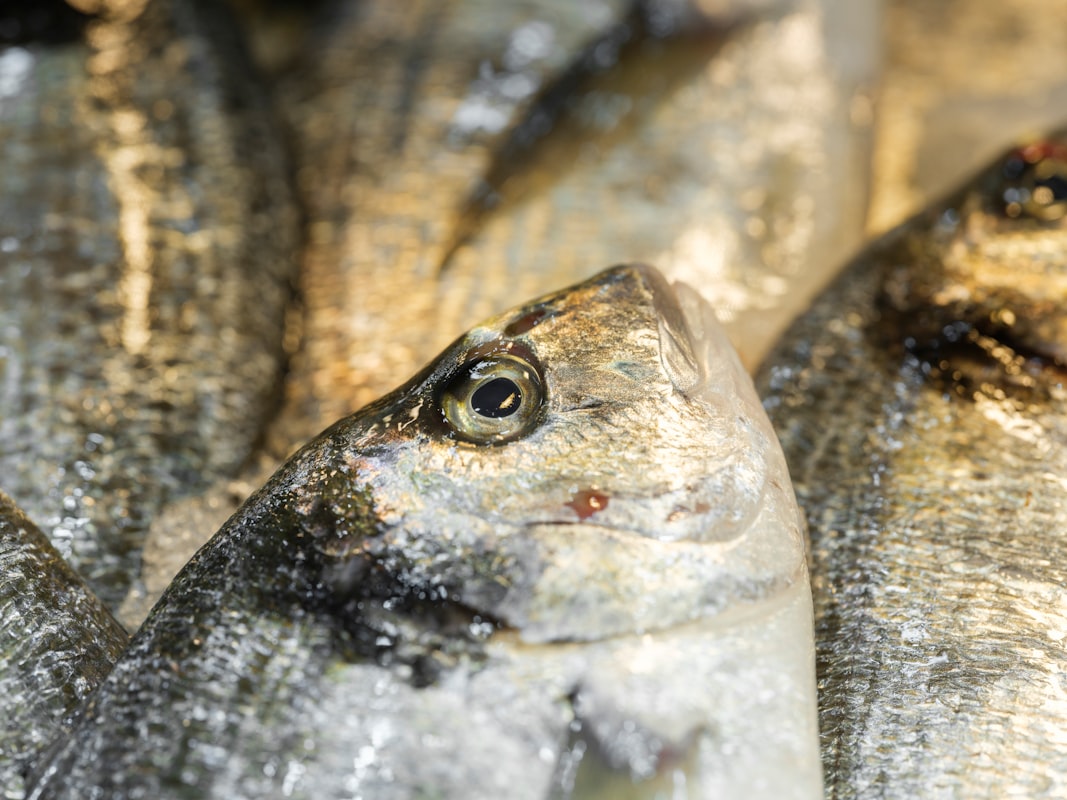
Excellent sources of omega-3 fatty acids, particularly EPA and DHA, which are structural components of the retina. These fats reduce inflammation and support the integrity of retinal cell membranes, protecting photoreceptors.
Weekly servings: 2-3 servings of 3-4 ounces per week for optimal omega-3 intake.
Broccoli & Cruciferous Vegetables
Rich in sulforaphane and other compounds that activate the body's antioxidant defense systems. These vegetables also provide lutein, zeaxanthin, and vitamin C, working together to protect the lens from opacity.
Daily serving: ½ to 1 cup raw or lightly steamed to preserve nutrients.
Bell Peppers (All Colors)
Exceptionally high in vitamin C and also contain zeaxanthin and lutein. Red peppers have the highest antioxidant content. Vitamin C is crucial for maintaining the structural integrity of the cornea and reducing oxidative stress in the retina.
Daily serving: 1 medium pepper or ½ cup chopped pepper provides substantial eye benefits.
Nuts & Seeds (Almonds, Walnuts)
Excellent sources of vitamin E and selenium, which protect retinal cells from oxidative damage. Walnuts provide omega-3 ALA, while almonds are mineral-rich and support overall eye circulation and blood vessel health.
Daily serving: 1 ounce (about 23 almonds or 14 walnut halves) provides optimal protective nutrients.
Common Eye Nutrition Questions
How long before I notice improvements in vision clarity?
Nutritional benefits develop gradually as your body accumulates protective compounds. Most people begin noticing subtle improvements in contrast sensitivity and color perception within 4-8 weeks of consistent nutrient intake. More significant changes in visual comfort and clarity typically emerge over 3-6 months. This is a natural, sustainable approach rather than an immediate fix—you're building long-term resilience in your retinal cells.
Can nutrition reverse existing vision problems?
While nutrition cannot reverse structural eye conditions like myopia (nearsightedness) or astigmatism, it can significantly support the health and function of existing visual structures. Proper eye nutrition helps optimize whatever natural vision you have, reduce visual fatigue, improve contrast perception, and slow age-related decline. Think of it as preventive maintenance and optimization rather than correction of refractive errors.
Are supplements necessary, or is food enough?
Whole foods are always the preferred source of eye nutrients because they contain not just the active compounds, but also co-factors, fiber, and phytonutrients that enhance absorption and efficacy. However, some individuals may benefit from supplementation due to dietary restrictions, bioavailability issues, or specific health goals. Any supplementation should be discussed with your healthcare provider to ensure appropriate dosing and interactions.
Can children benefit from eye nutrition education?
Absolutely. Early nutrition habits establish the foundation for lifelong eye health. Children who consume adequate lutein, zeaxanthin, omega-3s, and antioxidants develop stronger antioxidant defense systems in their retinas. This is particularly important in modern environments with increased screen time and artificial lighting. Building good nutrition habits in childhood supports visual development and reduces future vision-related challenges.
How does screen time affect eye nutrition needs?
Extended screen exposure increases oxidative stress in the retina due to blue light and reduced blinking, which decreases tear production. This elevated oxidative demand means your eyes may benefit from higher intakes of antioxidants like lutein, zeaxanthin, vitamins C and E, and anthocyanins. Screen users should prioritize these nutrients and practice 20-20-20 breaks (every 20 minutes, look 20 feet away for 20 seconds) to reduce nutritional demand.
What's the relationship between overall health and eye nutrition?
Eye health is intrinsically connected to systemic health. Your eyes are highly vascular tissues that depend on healthy blood vessels, stable blood sugar, normal blood pressure, and efficient circulation. A nutrition plan that supports heart health, metabolic function, and inflammation control automatically supports eye health. Conversely, conditions like diabetes, hypertension, and chronic inflammation directly impact visual function, making holistic nutrition approach essential.
Your 30-Day Eye Nutrition Plan
Week 1: Foundation Building
Establish Core Habits
- Add one serving of dark leafy greens daily (spinach, kale, or Swiss chard)
- Include colorful bell peppers in lunch or dinner
- Drink 8 glasses of filtered water daily
- Eat a small handful of almonds or walnuts as a snack
- Practice 20-20-20 screen breaks three times daily
Week 2-3: Nutrient Expansion
Broaden Your Palette
- Add fatty fish (salmon or mackerel) twice per week
- Include fresh blueberries in breakfast or as snack
- Prepare steamed broccoli with meals twice weekly
- Add orange vegetables (sweet potato, carrot) to meals
- Increase overall antioxidant intake through citrus fruits
Week 4: Integration & Assessment
Sustain Long-Term Benefits
- Maintain all previous habits as daily routine
- Notice improvements in visual comfort and clarity
- Assess changes in contrast sensitivity and eye fatigue
- Create personalized nutrition plan for long-term success
- Plan seasonal eating to access fresh eye-protective nutrients
Patient Success Stories
"After following the eye nutrition plan for six weeks, I noticed a significant improvement in how I perceive colors and contrast, especially when reading or working on my computer. The screen fatigue that used to plague my afternoons has almost completely disappeared. I've become much more mindful about what I consume and how it affects my vision. This program is truly transformative and scientifically grounded."
— Sarah Mitchell, Digital Designer
Ready to Transform Your Vision?
Join thousands of people who have improved their eye health through science-backed nutrition strategies. Start your journey today.
Frequently Asked Questions
Get answers to common questions about Zelaris eye nutrition programs.
Most users report noticeable improvements in eye comfort and visual clarity within 4-6 weeks of consistent implementation. However, comprehensive improvements to vision and eye health may take 8-12 weeks as nutritional changes work at the cellular level.
While our program emphasizes whole-food nutrition, some individuals may benefit from targeted supplementation based on their specific eye health needs and dietary restrictions. We provide personalized recommendations during your consultation.
Yes, our nutrition programs are specifically designed to support eye health at every stage of life. Research shows that proper nutrition can help slow age-related decline and support macular health. Consult with our specialists about your specific condition.
Absolutely! Our pediatric nutrition programs are tailored for growing eyes and focus on protecting vision during crucial developmental years. We recommend consulting with our child vision specialists for age-appropriate guidance.
Our nutrition specialists create customized meal plans that respect allergies, intolerances, and dietary preferences while ensuring optimal eye nutrition. Vegan, keto, gluten-free, and other variations are fully supported.